Healthy Eating for Beginners: A Simple Guide to Better Nutrition
Healthy eating can sound complicated when you’re just getting started. There are countless diets, nutrition trends, food rules, and conflicting opinions about what you should or should not eat. One person may recommend cutting carbohydrates, another may focus on eating more protein, while someone else may suggest avoiding entire food groups.
The good news is that healthy eating does not have to be that complicated.
A balanced approach to nutrition is usually less about following a perfect diet and more about building consistent eating habits. Choosing a variety of nutritious foods, eating appropriate portions, staying hydrated, and learning how different foods fit into your overall diet can provide a much simpler foundation.
You also don’t need to completely change your eating habits overnight. Small improvements can be easier to maintain and can gradually become normal parts of your lifestyle.
This beginner’s guide explains the basic principles of healthy eating, how to build balanced meals, which types of foods to include more often, how to approach snacks and beverages, and how to create a practical nutrition routine without unnecessary restrictions.
What Does Healthy Eating Actually Mean?
Healthy eating doesn’t mean that every meal needs to be perfect.
Instead, it generally means choosing a wide variety of foods that provide the nutrients your body needs while keeping your overall eating pattern balanced.
Different foods provide different nutrients. Fruits and vegetables can provide vitamins, minerals, fiber, and other beneficial compounds. Protein-rich foods provide protein and other nutrients. Whole grains and other carbohydrate-containing foods can provide energy and fiber. Healthy sources of fat can contribute essential fatty acids and help with the absorption of certain vitamins.
Healthy eating is therefore about the overall pattern of your diet rather than judging one individual food.
Start With Variety
One of the easiest ways to improve your diet is to include a wider variety of foods.
Eating the same few foods every day may make your diet repetitive and can make it harder to obtain a broad range of nutrients.
Try including different fruits, vegetables, whole grains, protein sources, and other nutritious foods throughout the week.
For example, instead of eating the same vegetable every day, you might rotate between leafy greens, carrots, tomatoes, peppers, broccoli, cauliflower, and other vegetables you enjoy.
The same principle applies to protein and carbohydrate sources. Variety can make healthy eating more enjoyable while giving your meals different flavors and textures.
Build Meals Around Nutrient-Dense Foods
Nutrient-dense foods provide useful nutrients relative to their calorie content. Examples include vegetables, fruits, legumes, whole grains, nuts, seeds, eggs, fish, lean meats, and other minimally processed foods.
This doesn’t mean that every food you eat must be highly nutrient-dense.
Foods that are primarily chosen for enjoyment can still have a place in a balanced diet. The goal is to make nutritious foods a regular part of your meals rather than trying to create a diet based entirely on restriction.
Why Vegetables Matter
Vegetables are an important part of many healthy eating patterns because they provide fiber, vitamins, minerals, and a variety of naturally occurring plant compounds.
Different vegetables contain different combinations of nutrients, which is another reason variety is useful.
You don’t have to eat a huge bowl of vegetables at every meal. Instead, look for practical ways to include them more often.
You could add spinach or tomatoes to eggs, include vegetables in a sandwich, serve a side salad with lunch, add mixed vegetables to rice, or include roasted vegetables with dinner.
Choosing vegetables you genuinely enjoy can also make it easier to maintain the habit.
Don’t Forget Fruit
Fruit can be a convenient source of carbohydrates, fiber, vitamins, minerals, and other nutrients.
Fresh fruit can be eaten on its own or combined with other foods. For example, berries can be added to yogurt, bananas can be paired with nut butter, and apples can make a simple snack.
Different fruits provide different flavors and nutrients, so rotating your choices can add variety to your diet.
Fruit doesn’t need to be treated as something you should avoid simply because it contains naturally occurring sugar.

Understanding Protein
Protein is an essential nutrient involved in many functions throughout the body. It is also important for maintaining and repairing body tissues.
Common protein sources include eggs, fish, poultry, lean meats, dairy products, beans, lentils, peas, tofu, nuts, and seeds.
The amount of protein an individual needs can vary depending on factors such as body size, age, activity level, and personal circumstances.
For beginners, a simple strategy is to include a protein source in your main meals rather than becoming overly focused on precise numbers.
For example, breakfast could include eggs or yogurt, lunch could include beans or chicken, and dinner could include fish, tofu, lentils, or another protein-rich food.
Carbohydrates Are Not the Enemy
Carbohydrates are often misunderstood because many popular diets describe them as something that should be avoided.
In reality, carbohydrate-containing foods can be an important source of energy.
Foods such as oats, rice, potatoes, whole-grain bread, beans, fruits, and other grains can all provide carbohydrates.
The nutritional quality of carbohydrate sources can differ considerably. Foods that also provide fiber, vitamins, minerals, and other nutrients can be useful components of a balanced diet.
Instead of automatically eliminating carbohydrates, consider the overall quality and portion of the foods you’re eating.
Choose Whole Grains More Often
Whole grains contain more of the original grain components than refined grains and can provide fiber along with other nutrients.
Examples include oats, brown rice, whole-grain bread, whole-wheat pasta, barley, and other whole-grain foods.
You don’t necessarily need to replace every refined grain in your diet. A practical approach is simply to choose whole-grain options more often when they are available and enjoyable.
Include Healthy Sources of Fat
Dietary fat is another nutrient that has often been misunderstood.
Your body needs certain fats, and foods containing unsaturated fats can be part of a balanced eating pattern.
Examples include nuts, seeds, avocados, olive oil, and certain types of fish.
Because fats are energy-dense, portion size can still matter. The goal isn’t to remove fat from your diet but to include appropriate sources as part of balanced meals.
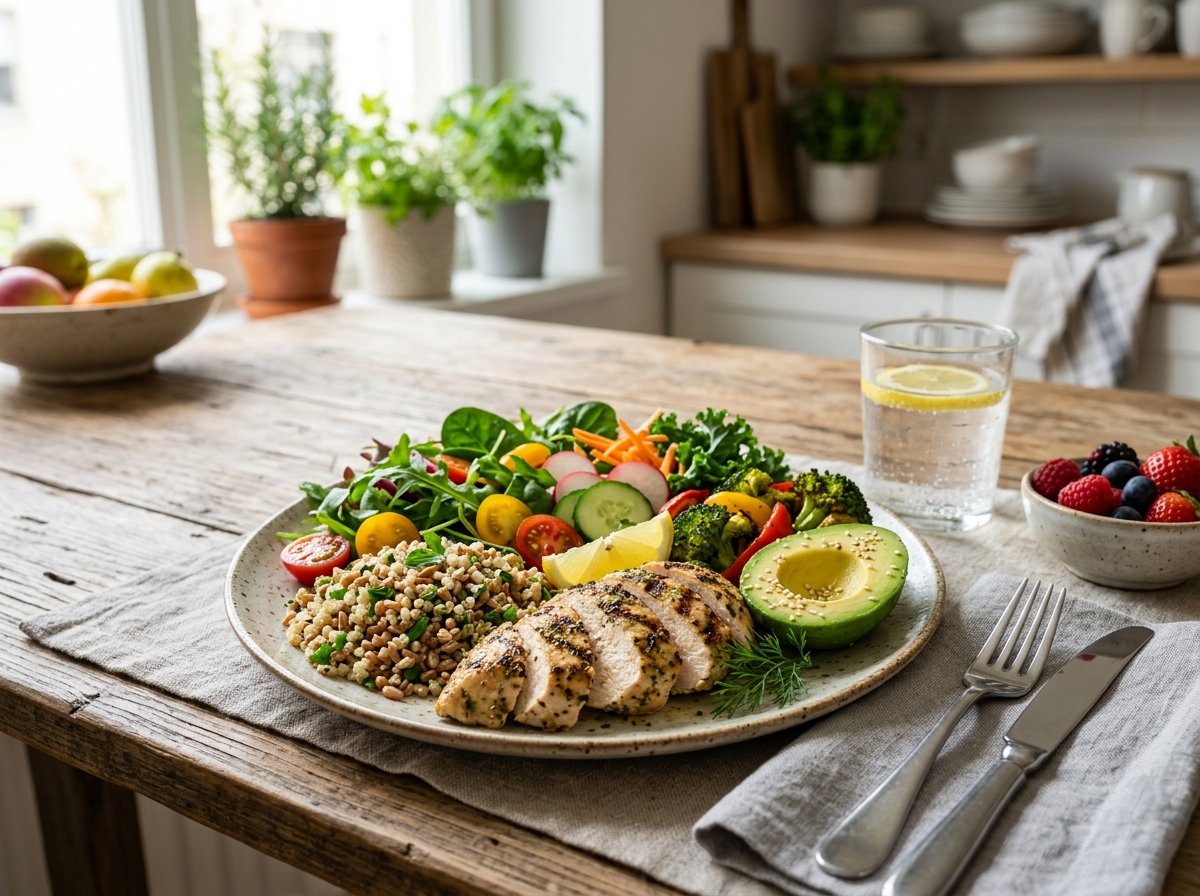
How to Build a Balanced Plate
A simple visual approach can make meal planning easier.
Think about including several components in your meal:
- A generous portion of vegetables or other plant foods.
- A source of protein.
- A source of carbohydrates, preferably one that also provides useful nutrients and fiber.
- A moderate amount of healthy fat when appropriate.
This doesn’t need to be exact. Your plate may look different depending on the meal, your preferences, and your nutritional needs.
The purpose is simply to create a meal that contains a useful combination of nutrients rather than relying heavily on one food group.
Why Fiber Is Important
Fiber is found naturally in foods such as vegetables, fruits, beans, lentils, whole grains, nuts, and seeds.
Including a variety of fiber-rich foods in your diet can support digestive health and contribute to a satisfying eating pattern.
If your current diet contains very little fiber, increasing it gradually may be more comfortable than making a dramatic change overnight. Drinking enough fluids can also be important when increasing fiber intake.
Don’t Forget Hydration
Healthy eating isn’t only about solid food. Fluids are also an important part of your daily routine.
Water is a simple choice for staying hydrated. Your fluid needs can vary depending on factors such as activity level, weather, body size, and individual circumstances.
If you regularly consume sugary beverages, replacing some of them with water or another lower-sugar option can be one practical way to reduce added sugar intake.
You don’t necessarily need to eliminate every enjoyable beverage. As with food, overall balance matters.
What About Processed Foods?
The word “processed” can create unnecessary confusion.
Many foods are processed in some way. Frozen vegetables, canned beans, yogurt, whole-grain bread, and other everyday foods may all undergo processing.
Processing itself does not automatically make a food unhealthy.
Instead, pay attention to the nutritional characteristics of the food and how frequently you consume it.
Highly processed foods that are high in added sugars, sodium, or saturated fat and low in useful nutrients can be worth limiting, particularly when they regularly replace more nutritious choices.
How Often Should You Eat?
There is no universal number of meals that everyone needs to eat each day. Some people prefer three larger meals, while others feel more comfortable eating smaller meals and snacks throughout the day.
Your schedule, appetite, activity level, cultural habits, and personal preferences can all influence how you organize your meals.
Instead of focusing too much on a specific number of meals, pay attention to whether your overall eating pattern provides enough nutritious food and works comfortably with your daily routine.
Why Breakfast Is Different for Everyone
Breakfast is often described as the most important meal of the day, but there isn’t one breakfast pattern that works for everyone.
Some people enjoy eating soon after waking up, while others prefer eating later.
If you do eat breakfast, try to make it satisfying and nutritious. Options such as eggs with whole-grain toast, oatmeal with fruit and nuts, or yogurt with berries can provide a combination of nutrients.
The important point is not a specific breakfast food. It is creating an overall eating pattern that works for you.
Make Healthy Meals Convenient
One of the biggest obstacles to healthy eating is convenience.
When you’re hungry and haven’t planned anything, it’s easy to choose whatever food is quickest.
Preparing some ingredients in advance can make nutritious meals easier to assemble.
You could wash and cut vegetables, cook a batch of grains, prepare beans or another protein source, or keep convenient foods such as fruit, yogurt, nuts, and frozen vegetables available.
You don’t need to spend an entire weekend preparing every meal. Even a small amount of preparation can reduce the effort required to make better food choices during a busy week.
Learn to Read Food Labels
Food labels can help you understand what you’re buying.
When comparing packaged foods, look at serving size, protein, fiber, added sugars, sodium, and other nutrients that may be relevant to your goals.
Remember that the serving size listed on a package may not necessarily match the amount you normally eat.
You don’t need to memorize every number on a nutrition label. The goal is simply to become more comfortable understanding what the food contains.
Be Careful With Added Sugars
Sugar naturally occurs in foods such as fruit and milk, while added sugars are incorporated into foods and beverages during processing or preparation.
Foods and drinks with large amounts of added sugar can provide a lot of energy without necessarily providing many other nutrients.
This doesn’t mean you have to completely eliminate desserts, sweetened foods, or other enjoyable treats.
A more sustainable approach is to enjoy them in moderation while making nutritious foods the foundation of your everyday diet.
What About Salt and Sodium?
Sodium is an essential nutrient, but many people consume more sodium than they need, particularly through packaged and prepared foods.
Cooking more meals at home can give you greater control over how much salt is added to your food.
You can also experiment with herbs, spices, garlic, lemon, ginger, and other ingredients to add flavor.
If you have been advised by a healthcare professional to follow a specific sodium restriction, follow that individualized guidance.
Healthy Snacks for Beginners
Snacks can fit into a balanced diet, especially when they help you manage hunger between meals.
Instead of relying exclusively on highly processed snack foods, consider options that provide protein, fiber, or other useful nutrients.
- Fresh fruit with a handful of nuts.
- Plain or lightly sweetened yogurt with berries.
- Vegetables with hummus.
- A boiled egg with fruit.
- Whole-grain toast with nut butter.
- A small serving of nuts and seeds.
The right snack depends on your hunger, schedule, preferences, and overall dietary needs.
Don’t Try to Change Everything at Once
One of the most common mistakes beginners make is attempting a complete dietary transformation overnight.
You might decide to remove sugar, stop eating fast food, eliminate carbohydrates, start meal prepping every day, and completely change your breakfast at the same time.
That can become overwhelming.
Instead, choose one or two realistic improvements.
For example, you might start by adding a serving of vegetables to dinner and replacing one sugary drink each day with water.
Once those habits become normal, you can introduce another change.
Healthy Eating Doesn’t Mean Never Eating Your Favorite Foods
A balanced diet can include foods that you enjoy even if they aren’t especially nutrient-dense.
Food isn’t only about nutrients. Eating is also connected to culture, social experiences, celebrations, traditions, and enjoyment.
Trying to completely eliminate every food you enjoy can make your eating pattern unnecessarily restrictive.
Instead, think about frequency and portion size. Enjoy less nutritious foods occasionally while continuing to build most meals around nutritious choices.
Be Careful With Extreme Diets
Extreme diets often promise rapid results by dramatically restricting certain foods or nutrients.
Although some structured dietary approaches can be appropriate in specific circumstances, beginners should be cautious about adopting highly restrictive diets without understanding their nutritional implications.
A diet that eliminates large groups of foods may make it more difficult to obtain certain nutrients or maintain the eating pattern over time.
If you are considering a medically restrictive diet, working with a qualified healthcare or nutrition professional can help you make appropriate choices.
How to Build a Healthy Grocery List
A simple grocery list can make healthy eating easier.
Consider including foods from several categories:
- Vegetables: Fresh, frozen, or canned options.
- Fruit: Choose several varieties that you enjoy.
- Protein: Eggs, fish, poultry, beans, lentils, yogurt, tofu, or other options.
- Whole grains: Oats, brown rice, whole-grain bread, and similar foods.
- Healthy fats: Nuts, seeds, avocado, and suitable oils.
- Convenient foods: Frozen vegetables, canned beans, and other practical options.
Having these foods available makes it easier to create balanced meals without having to make a complicated decision every time you’re hungry.
Healthy Eating on a Budget
Eating nutritious food doesn’t necessarily require expensive specialty products.
Foods such as beans, lentils, oats, potatoes, rice, eggs, seasonal produce, and frozen vegetables can be practical choices.
Buying foods that are in season or available at a reasonable price can also help control grocery costs.
Planning meals before shopping can reduce unnecessary purchases and food waste.
What to Do When You Eat an Unhealthy Meal
One meal does not define your entire diet.
If you eat more dessert than planned, order fast food, or have a particularly indulgent meal, there’s no need to punish yourself afterward.
Simply return to your normal eating pattern at the next meal.
Trying to compensate with extreme restriction can create an unhealthy cycle of overeating and excessive dieting.
A balanced approach allows occasional flexibility without turning one meal into a reason to abandon your goals.
How to Make Healthy Eating a Long-Term Habit
Long-term success usually comes from habits that are realistic.
Rather than searching for the perfect diet, identify a few changes you can comfortably maintain.
You might begin by eating more vegetables, including a protein source with your meals, choosing whole grains more often, drinking more water, or preparing meals at home more frequently.
Track your habits if that helps you stay aware, but don’t feel that you need to monitor every calorie or nutrient unless there is a specific reason to do so.
Healthy eating should support your life rather than consume it.
Frequently Asked Questions
What is the easiest way to start eating healthier?
Start with small changes. Adding more vegetables and fruit, including protein with meals, choosing nutrient-dense foods more often, and drinking more water can be practical first steps.
Do I have to stop eating fast food?
No. Fast food and other less nutritious foods can occasionally fit into an overall balanced eating pattern. Frequency and overall diet quality matter.
Are carbohydrates unhealthy?
No. Carbohydrates can provide energy and can come from nutritious foods such as whole grains, beans, fruits, potatoes, and other foods.
Should I avoid all fats?
No. Your body needs certain fats, and foods containing unsaturated fats can be part of a balanced diet.
Is fruit too high in sugar?
Whole fruit contains naturally occurring sugars along with fiber, vitamins, minerals, and other nutrients. It can be part of a balanced diet.
How much water should I drink?
Fluid needs vary from person to person and can change with factors such as activity, climate, body size, and individual circumstances. Water is a simple choice for staying hydrated.
Do I need to count calories?
Not necessarily. Some people may use calorie tracking for specific goals, but beginners can often start by improving food quality, portions, meal balance, and overall eating habits.
Can I eat dessert while trying to eat healthy?
Yes. Healthy eating doesn’t require eliminating every food you enjoy. Desserts can be enjoyed occasionally as part of an overall balanced diet.
Final Thoughts
Healthy eating doesn’t need to be complicated. You don’t need to follow every nutrition trend or completely eliminate your favorite foods to improve your diet.
Start with the basics: eat a variety of nutritious foods, include vegetables and fruit regularly, choose useful sources of protein and carbohydrates, include healthy fats, drink enough fluids, and pay attention to portion sizes.
Most importantly, focus on your overall eating pattern rather than individual meals.
If one meal isn’t particularly nutritious, that doesn’t mean your entire day or week is ruined. Simply return to your normal routine at the next opportunity.
Small improvements can become powerful when you repeat them consistently. Adding an extra vegetable to dinner, choosing fruit for a snack, drinking more water, preparing food at home, or choosing whole grains more often may seem like minor changes, but together they can create a much stronger foundation for healthy eating.
There is no need to rush. Start with changes that feel realistic, learn what works for you, and gradually build from there.
A sustainable approach to nutrition is not about perfection. It’s about creating an eating pattern that supports your health while still being enjoyable enough to maintain for the long term.
Beginner Healthy Eating Checklist
- Eat a variety of foods.
- Include vegetables and fruit regularly.
- Add a protein source to main meals.
- Choose whole-grain foods more often.
- Include appropriate sources of healthy fats.
- Drink water regularly.
- Include fiber-rich foods.
- Limit foods and drinks high in added sugars when appropriate.
- Plan some meals and snacks in advance.
- Make gradual changes instead of following extreme restrictions.
- Allow flexibility for foods you enjoy.
- Focus on long-term consistency rather than perfection.