Protein for Beginners: Why Your Body Needs It and How to Get Enough
Protein is one of the three major macronutrients your body needs, along with carbohydrates and fats. It is often discussed in fitness circles, but protein isn’t only important for athletes or people who want to build muscle. It plays an important role in many everyday functions throughout the body.
For beginners, understanding protein doesn’t need to involve complicated nutrition calculations or expensive supplements. You can get protein from a wide variety of everyday foods, including eggs, dairy products, fish, poultry, beans, lentils, tofu, nuts, and seeds.
The challenge for many people is simply understanding how much protein they need, which foods provide it, and how to include protein naturally in everyday meals.
This guide explains why protein matters, common protein-rich foods, how to distribute protein throughout the day, and practical ways beginners can improve their protein intake while maintaining a balanced diet.
What Is Protein?
Protein is a macronutrient made up of smaller compounds called amino acids.
Your body uses amino acids for many different functions, including building and maintaining tissues and producing various substances involved in normal bodily processes.
Some amino acids can be produced by the body, while others need to come from food. This is one reason eating a varied diet is important.
Protein is found in both animal and plant foods, so people following different dietary patterns can obtain it from a variety of sources.
Why Does Your Body Need Protein?
Protein has several important roles in the body.
One of its best-known functions is supporting muscle tissue. When you exercise, particularly during resistance training, your muscles experience physical stress. Adequate protein intake can support the body’s normal processes for maintaining and repairing muscle tissue.
Protein is also involved in maintaining other tissues and producing enzymes, hormones, and other substances needed for normal physiological functions.
This means protein isn’t simply a “muscle-building food.” It is a fundamental nutrient that your body uses every day.
Protein and Muscle
Protein and strength training are often discussed together because both can contribute to maintaining and developing muscle.
Resistance exercise provides a stimulus for your muscles, while adequate nutrition provides the nutrients your body needs to support adaptation and recovery.
However, eating large amounts of protein alone will not automatically build significant muscle. Training, total energy intake, recovery, sleep, and other factors also matter.
A balanced approach combines appropriate exercise with adequate nutrition rather than relying on one nutrient.
How Much Protein Do You Need?
Protein needs vary from person to person.
Factors such as age, body size, activity level, training goals, overall diet, and individual circumstances can influence how much protein is appropriate.
For this reason, there isn’t one exact protein target that works for everyone.
People who regularly perform resistance training may have different protein needs from someone who is mostly sedentary. Older adults may also have different nutritional considerations.
If you have a medical condition or have been advised to follow a specific protein intake by a healthcare professional, follow that individualized guidance rather than relying on a general recommendation.
High-Protein Foods for Beginners
You don’t need specialized foods to increase your protein intake.
Many common foods can provide useful amounts of protein.
- Eggs
- Chicken
- Turkey
- Fish
- Lean meat
- Milk
- Greek yogurt
- Cottage cheese
- Beans
- Lentils
- Chickpeas
- Tofu
- Tempeh
- Nuts
- Seeds
Choosing several different sources throughout the week can add variety to your diet.
Animal-Based Protein Sources
Animal foods can provide protein along with other nutrients.
Eggs are a convenient option that can be prepared in many ways. Dairy foods such as milk, yogurt, and cottage cheese can also contribute protein.
Fish can provide protein along with other nutrients, and some fish varieties are particularly useful sources of omega-3 fatty acids.
Chicken and other poultry can be used in salads, wraps, rice dishes, sandwiches, and many other meals.
When choosing meat, you can consider leaner options more frequently while maintaining variety in your overall diet.
Plant-Based Protein Sources
People who eat mostly or entirely plant-based diets can also obtain protein from many foods.
Beans, lentils, chickpeas, peas, tofu, tempeh, nuts, and seeds can all contribute protein.
Whole grains can also provide some protein, although their primary nutritional role may be as a carbohydrate source.
Combining different plant foods throughout the day can help provide a broad range of amino acids and other nutrients.
Protein at Breakfast
Breakfast is one meal where people sometimes consume very little protein.
A breakfast consisting mainly of refined carbohydrates may not be as satisfying as a meal that also includes a protein source.
For example, you could choose eggs with whole-grain toast and vegetables, Greek yogurt with berries and nuts, or oatmeal prepared with milk and topped with seeds and yogurt.
These combinations can provide a mixture of protein, carbohydrates, fats, and other nutrients.
Protein at Lunch
Lunch can also be an easy opportunity to include protein.
A chicken and vegetable wrap, lentil soup with whole-grain bread, tuna salad, chickpea bowl, or tofu stir-fry can all provide protein as part of a balanced meal.
If you regularly feel hungry soon after lunch, consider whether your meal contains enough protein and fiber along with an appropriate amount of food overall.
Protein at Dinner
Dinner is often the easiest meal for people to associate with protein.
Fish, chicken, lean meat, tofu, beans, or lentils can form the central protein component of a meal.
Combine the protein source with vegetables and a carbohydrate such as potatoes, rice, whole-grain pasta, or another suitable option.
Adding a small amount of healthy fat can complete the meal.
Don’t Focus Only on Protein
One common mistake is becoming so focused on protein that other nutrients are neglected.
A healthy diet requires more than protein.
Your meals should also include appropriate amounts of carbohydrates, fats, vitamins, minerals, fiber, and fluids.
For example, eating a large amount of chicken without vegetables, fruit, whole grains, or other nutrient-rich foods would not automatically create a balanced diet.
Protein should be one part of your overall nutrition strategy.
Protein and Weight Management
Protein is often included in weight-management diets because protein-containing foods can contribute to meal satisfaction.
However, protein isn’t a magic weight-loss nutrient.
Changes in body weight are influenced by overall energy intake, activity, sleep, individual biology, and many other factors.
A sustainable eating pattern should focus on overall diet quality rather than simply maximizing protein intake.

Can You Get Enough Protein Without Supplements?
Yes. Many people can obtain sufficient protein from ordinary foods.
Eggs, yogurt, milk, beans, lentils, fish, poultry, tofu, nuts, and seeds can all contribute protein to your diet.
Protein supplements can be convenient in certain situations, but they aren’t automatically better than whole foods.
If you can comfortably meet your nutritional needs through regular meals, there may be no reason to add a supplement simply because it is marketed as a fitness product.
What About Protein Powder?
Protein powders are concentrated sources of protein that can be convenient for people who struggle to obtain enough protein from food.
They can be mixed into smoothies, oatmeal, yogurt, or other foods.
However, a protein powder should generally be viewed as a convenience rather than a requirement.
If you choose to use one, consider the ingredient list, serving size, nutritional information, and your overall dietary needs.
How to Spread Protein Throughout the Day
Instead of trying to consume most of your daily protein in one large meal, many people find it practical to include a protein source in several meals throughout the day.
For example, breakfast could include eggs or Greek yogurt, lunch could contain chicken, fish, beans, or lentils, and dinner could include another protein source.
Snacks can also contribute protein when appropriate. Yogurt, cottage cheese, boiled eggs, nuts, seeds, or other protein-containing foods can be convenient options.
The exact amount you eat at each meal depends on your overall protein needs and the rest of your diet.
Protein Before or After Exercise?
People who exercise often wonder whether they need to consume protein at a specific time.
Although nutrition around exercise can matter, you don’t need to become obsessed with a narrow “protein window.”
For most people, total daily protein intake and an overall balanced diet are more important than trying to consume protein at an exact minute after a workout.
A normal meal containing protein before or after exercise can be a practical approach.
If you train regularly, planning meals around your schedule can help you maintain a consistent intake without making nutrition unnecessarily complicated.
Protein for Strength Training
If your goal is to build or maintain muscle, protein becomes particularly relevant alongside resistance training.
Strength exercises provide the training stimulus, while adequate nutrition supports recovery and adaptation.
Good resistance-training exercises can include movements such as squats, presses, rows, lunges, and other exercises appropriate for your fitness level.
However, increasing protein without progressively challenging your muscles is unlikely to produce the same results as combining adequate nutrition with an effective training program.
Protein for Active People
People who participate in sports, resistance training, running, or other physical activities may have different nutritional needs from people who are less active.
Higher activity levels can increase overall energy and nutrient requirements.
If you’re regularly active, make sure your diet contains enough total food and isn’t focused exclusively on protein.
Carbohydrates can provide useful energy for physical activity, while fats also have important functions in the body.
A balanced diet supports performance better than focusing on a single macronutrient.
Protein for Older Adults
Protein can also be particularly important as people age because maintaining muscle mass and physical function becomes increasingly relevant.
Older adults may benefit from paying attention to the protein content of their meals rather than consuming most of their protein in only one meal.
Individual needs can vary considerably, especially when medical conditions or dietary restrictions are involved.
If you’re an older adult with specific nutritional concerns, discussing your protein requirements with a qualified healthcare or nutrition professional can provide more appropriate guidance.
How to Increase Protein Without Completely Changing Your Diet
You don’t have to redesign your entire diet to increase protein intake.
Small substitutions and additions can make a difference.
- Add eggs to breakfast.
- Use Greek yogurt instead of a lower-protein snack.
- Add beans or lentils to soups and salads.
- Include chicken, fish, tofu, or another protein source at lunch.
- Add seeds or nuts to oatmeal or yogurt.
- Choose a protein-rich snack when you’re genuinely hungry between meals.
These changes can be introduced gradually rather than all at once.
Protein-Rich Snacks
Snacks don’t have to be complicated.
If you want a snack containing protein, consider Greek yogurt with berries, cottage cheese with fruit, a boiled egg with vegetables, hummus with vegetables, or a small portion of nuts and seeds.
The best choice depends on your preferences and nutritional needs.
If you’re not particularly hungry between meals, you don’t need to add snacks simply because a food is high in protein.
How to Combine Plant Proteins
Plant-based diets can provide plenty of protein when meals are planned thoughtfully.
Beans, lentils, chickpeas, tofu, tempeh, nuts, seeds, and whole grains can all contribute.
Rather than relying on a single plant food, eating a varied diet can help provide different amino acids and a broader range of nutrients.
For example, a meal containing beans, rice, and vegetables provides a combination of protein, carbohydrates, fiber, vitamins, and minerals.
Protein and Hydration
Protein intake is only one part of an overall healthy diet. Hydration also matters.
Drinking adequate fluids throughout the day supports normal bodily functions and can become particularly important when you’re physically active or exercising in hot conditions.
You don’t need a special drink simply because you have eaten a high-protein meal.
For most everyday situations, water is a straightforward option for hydration.
Common Protein Mistakes
Eating Almost No Protein at Breakfast
A breakfast based entirely on refined carbohydrates may provide little protein. Adding eggs, yogurt, milk, seeds, or another protein source can make the meal more substantial.
Assuming More Protein Is Always Better
Protein is important, but consuming increasingly large amounts doesn’t automatically produce better results.
Your total diet, exercise routine, recovery, and individual nutritional needs all matter.
Ignoring Other Nutrients
Some people become so focused on protein that they stop paying attention to vegetables, fruits, whole grains, healthy fats, and fiber.
A balanced diet requires more than one nutrient.
Depending Entirely on Protein Supplements
Protein powder can be convenient, but whole foods provide protein alongside many other nutrients.
Use supplements as a convenience when appropriate rather than assuming they must replace regular meals.
Changing Protein Intake Too Quickly
If your current diet is low in protein, suddenly making very large changes may be unnecessary.
Gradually adding protein-rich foods can be a simpler and more sustainable strategy.
Simple High-Protein Meal Ideas
Here are some easy combinations you can adapt to your preferences.
- Breakfast: Eggs, whole-grain toast, spinach, and fruit.
- Breakfast option: Greek yogurt, oats, berries, and seeds.
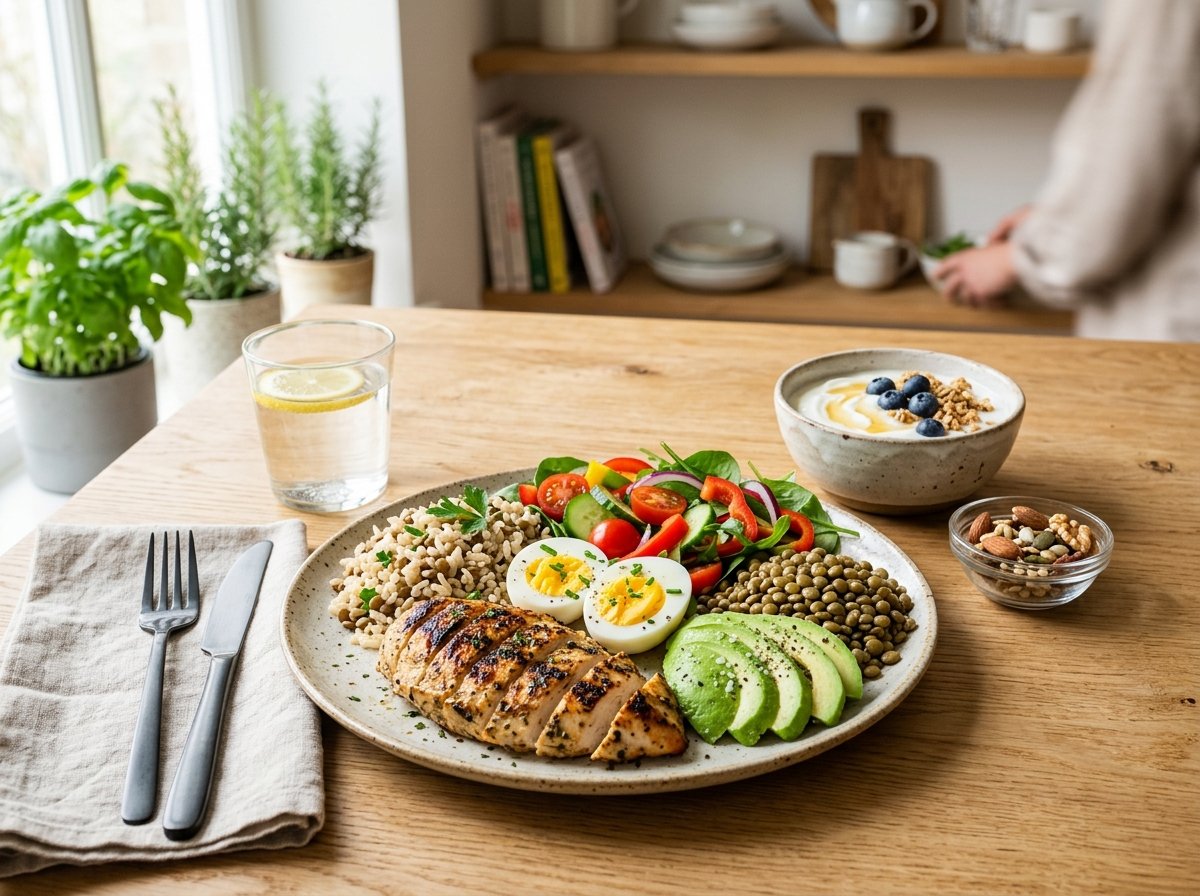
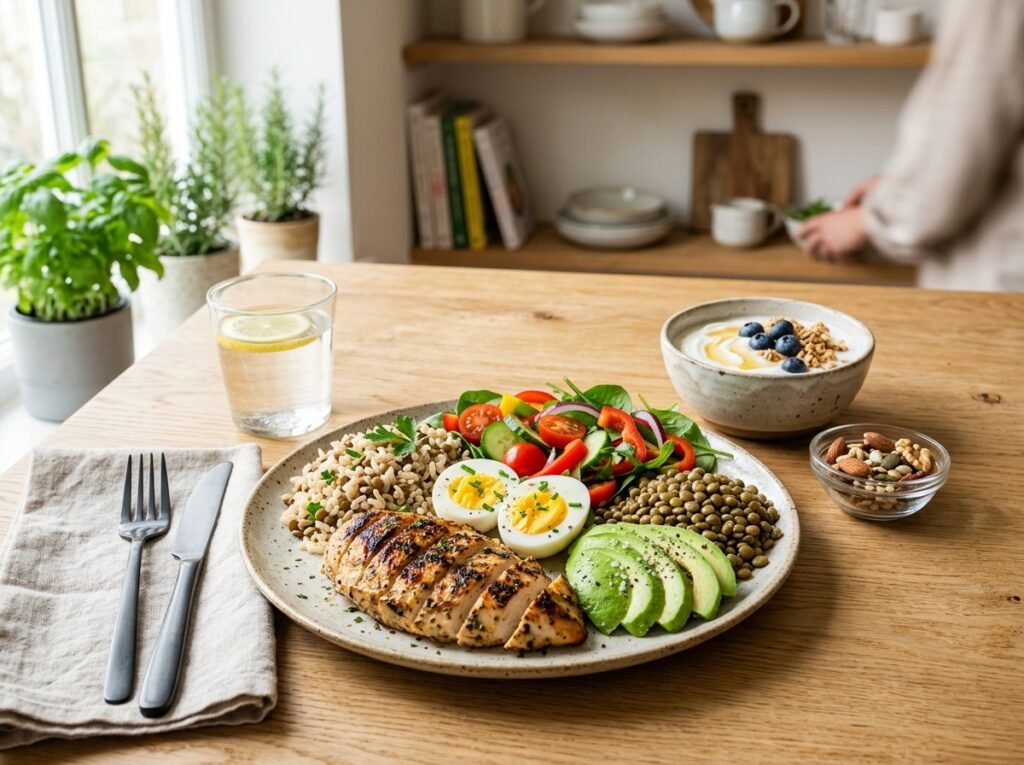
- Lunch: Grilled chicken, brown rice, and mixed vegetables.
- Lunch option: Lentil soup with whole-grain bread and salad.
- Dinner: Baked fish, potatoes, and green vegetables.
- Vegetarian dinner: Chickpeas, rice, roasted vegetables, and avocado.
- Quick snack: Yogurt with fruit and a small serving of nuts.
These meals are examples rather than a specific diet plan. Portion sizes should be adjusted according to your individual needs.
How to Shop for Protein-Rich Foods
When grocery shopping, make it easier to build protein-containing meals by keeping several options available.
Your shopping list could include eggs, yogurt, milk, chicken, fish, beans, lentils, tofu, nuts, and seeds.
Frozen fish, frozen vegetables, canned beans, and other convenient foods can also reduce preparation time.
Having several protein options available prevents you from relying on the same food every day.
Frequently Asked Questions
Why is protein important?
Protein is involved in maintaining and repairing body tissues and supports many normal processes throughout the body.
Do I need protein if I don’t exercise?
Yes. Protein is required by the body regardless of whether you follow a structured exercise program.
Can I get protein from plants?
Yes. Beans, lentils, chickpeas, tofu, tempeh, nuts, seeds, and many other plant foods contain protein.
Do I need protein powder?
No. Many people can obtain sufficient protein from regular foods. Protein powder can simply be a convenient option in certain situations.
Should I eat protein after every workout?
Having a protein-containing meal or snack after exercise can be convenient, but your overall daily protein intake and balanced diet are generally more important than consuming protein immediately after every workout.
Can too much protein be unhealthy?
Very high protein intake may not be appropriate for everyone. People with certain medical conditions may need individualized dietary guidance. If you have a health condition or specific dietary concern, consult an appropriately qualified healthcare professional.
What is the easiest way to eat more protein?
Start by adding a protein source to your existing meals. Eggs, yogurt, milk, beans, lentils, chicken, fish, tofu, nuts, and seeds are practical choices.
Final Thoughts
Protein is an essential part of a balanced diet, but getting enough doesn’t need to be complicated.
Start by identifying the protein foods you enjoy and adding them consistently to your meals. Eggs, dairy products, fish, poultry, beans, lentils, tofu, nuts, and seeds can all contribute to your daily intake.
If you’re physically active, protein can work alongside resistance training and other exercise to support muscle maintenance and recovery. However, don’t forget that carbohydrates, healthy fats, vegetables, fruits, fiber, and hydration are also important parts of a complete diet.
You also don’t need to rely on expensive supplements. Whole foods can provide protein along with many other valuable nutrients.
The best nutrition strategy is one that fits your lifestyle and that you can maintain consistently. Instead of trying to maximize protein at every opportunity, focus on creating balanced meals and including a reasonable protein source throughout your day.
Small, consistent improvements are usually easier to maintain than extreme dietary changes. Once protein-rich foods become a normal part of your meals, meeting your nutritional needs can become much more straightforward.
Beginner Protein Checklist
- Include a protein source in your main meals.
- Rotate between different animal and plant protein sources.
- Include protein-rich foods at breakfast when practical.
- Use beans and lentils regularly if you enjoy plant-based foods.
- Combine protein with vegetables and quality carbohydrate sources.
- Don’t neglect healthy fats, fiber, fruits, and vegetables.
- Use protein supplements only when they are convenient or appropriate.
- Spread protein-containing foods throughout the day.
- Adjust your intake according to your individual needs.
- Focus on consistency rather than trying to consume excessive amounts.